Credit feels like a moving target these days, and 2026 brings new tools, new data sources, and fresh expectations from lenders and renters alike. If you’re wondering how to improve credit score in 2026 without getting lost in jargon, this guide walks through practical, realistic steps that actually change outcomes for mortgages, car loans, and everyday borrowing.
I’ll share strategies that work now, explain why they matter for things like a home loan or auto loan, and include real-world examples from people I’ve helped. Read on for a clear plan you can start today, even if your score feels stuck.
Why your credit score still matters this year

A credit score remains the shorthand lenders use to judge reliability. It impacts interest rates, loan approvals, security deposits for utilities, and often how landlords and employers view applicants. A few tens of points can mean thousands in savings over the life of a home loan or auto loan.
Beyond rates, many fintech apps and subscription services now use score-related information or bank-transaction data to set eligibility and pricing. Building and maintaining solid history turns those gatekeepers into allies, rather than hurdles.
What’s new in 2026: trends that affect scores

Over the past few years the big change has been data variety. Lenders and scoring models increasingly consider alternative information such as rent payments, utility bills, and direct bank-transaction history. That widens opportunities for people who have been underserved by traditional credit but also means more inputs influencing your rating.
Artificial intelligence and machine learning are being layered into underwriting, which can make some approvals faster and more tailored. That tailoring can be good—matching consumers with products they can afford—but it also makes consistent, accurate data more important than ever.
Finally, fintech products that report rent or subscription payments to credit bureaus have become mainstream. Using those selectively can accelerate improvements, especially for people with limited credit file depth.
Check and correct: audit your reports first
The single most efficient starting point is an honest audit. Pull your free reports from the three major bureaus and review everything with a critical eye: account balances, open/closed status, dates, and addresses. Mistakes—old debts still listed, accounts attributed to someone else—are surprisingly common and fixable.
Disputing errors can have an immediate, measurable impact. File disputes online and include documentation; follow up if you don’t see responses within the bureau’s expected timeline. For suspected identity theft, consider placing a fraud alert or security freeze to stop new accounts from being opened in your name.
Payment history: the most powerful lever
On most scoring models, on-time payments carry the most weight. Setting up automatic payments for minimums—then paying extra when possible—removes the human error that causes late payments. Even a single missed payment can drag a score down for months, so prevention is worth the minor effort.
Small automation strategies work well: calendar reminders for due dates, splitting bills between pay cycles, and keeping a buffer in your checking account to avoid overdrafts. In my experience helping friends and clients, those small process changes are often what turn late-payer habits into reliable history.
Control credit utilization: small change, big impact
Utilization is the ratio of revolving balances to total available credit. Aim to keep it under 30% across all cards, and under 10% on any individual card where you want the best score impact. Paying down balances before the statement closes is a common trick: it lowers the reported balance without limiting your purchasing power.
Other tactics include requesting small credit-limit increases from trusted issuers, moving balances strategically among cards, and avoiding opening new cards just to try to lower utilization—new accounts bring their own short-term scoring hit.
Use credit cards intentionally

Credit cards are one of the most flexible tools for building a record of responsible borrowing, but the strategy matters. Keep older accounts open to preserve average account age, use cards for routine purchases you can pay off each month, and pair rewards with discipline so spending doesn’t increase to chase points.
If you’re rebuilding, secured cards and starter cards that report to all three bureaus can create clean, positive entries. I once worked with a neighbor who raised their score by 90 points in eight months by switching to a secured card for recurring bills and paying it off in full every cycle.
Build length and mix of credit thoughtfully

Mix matters: a combination of revolving credit (cards) and installment loans (personal loans, auto loans, credit-builder loans) helps show you can manage different obligations. That doesn’t mean taking unwanted debt—rather, consider purposeful, small installment products designed to build history.
The average age of accounts influences scoring, so avoid closing long-held accounts out of frustration with fees. If a card is costing too much, see if the issuer will downgrade you to a no-fee card instead of closing the line altogether.
Use rent, utilities, and alternative data to your advantage
Many services now report rent and utility payments to bureaus or specialty scoring models. If you pay rent on time but lack other credit history, enrolling in a reputable rent-reporting program can create positive entries in your file. The same applies to timely payments to cellphone or utility providers where those payments are reportable.
Choose providers that report to at least one of the major bureaus, and verify the reporting actually appears on your report. Not every fintech that advertises “boosting” your score has the same impact—confirm which creditors they report to and whether they update monthly.
Deal with negative marks and collections the smart way

Old negatives can feel like anchors, but there are pragmatic approaches. For accounts in collections, first request validation to confirm the debt is legitimate and within the statute of limitations. Dispute inaccuracies, and negotiate pay-for-delete agreements only with documented promises when dealing with smaller, reputable collectors.
Sometimes paying a collection won’t remove it from your report, but it does stop further collection activity and can help lenders see the debt as resolved. If the item is accurate but old, remember most negative entries fall off after about seven years—use that timeline when planning next moves.
Choosing the right credit-building products
Not all tools are equal. Secured cards are predictable and usually report to the bureaus, while credit-builder loans held at credit unions or community banks place funds in a locked account that you repay to build history. Compare fees, reporting practices, and whether payments post to all three bureaus before committing.
For people with thin files, a small, well-structured installment loan plus a secured card can create a complementary mix that shows both payment consistency and responsible revolving usage. Keep the amounts modest and the terms you can comfortably meet.
When refinancing, consolidation, or debt settlement makes sense
If high-interest balances are the main drag on your score, refinancing or consolidating to a lower-rate personal loan can reduce interest and simplify payments. That can accelerate paydown and lower utilization, which typically improves scores over time. Consider how long you’ll keep the account open after consolidation, since closing old cards can affect age and utilization.
Avoid debt settlement companies that promise quick fixes in exchange for large fees; they often leave a mark on your report that lasts longer than the original debt. Nonprofit credit counseling and debt-management plans are better first options for complex situations.
Protect your identity and monitor continuously

Identity theft can wreak havoc on a file, adding accounts and damaging payment histories. Regularly check your credit reports and sign up for monitoring services—many banks and card issuers now include alerts for suspicious activity. A quick detection of fraud minimizes the time a false account affects your score.
Use strong, unique passwords for financial accounts and enable two-factor authentication everywhere possible. If fraud occurs, report it immediately and follow the bureau and issuer protocols to remove fraudulent items.
How improving your score helps with specific goals
Different goals require different score levels and strategies. For a home loan, lenders weigh your payment history and debt-to-income heavily, so steady reductions in balances and consistent on-time payments help most. For an auto loan, lenders focus on recent payment behavior and credit depth, meaning a month-to-month improvement can matter.
Renting and security deposits are often more flexible: a higher score lowers deposits and improves negotiation leverage with landlords. Employment checks and business credit also respond positively to a cleaner, more stable file.
Credit score ranges and typical implications
Below is a simple guide to score buckets and what they commonly mean for borrowers. These are general observations and not guarantees—lenders apply their own overlays and underwriting rules.
| Score range | Typical implication |
|---|---|
| 300–579 (Poor) | Limited access; higher rates; may need FHA-style programs for a home loan or higher down payments for an auto loan. |
| 580–669 (Fair) | Access to mainstream products with higher rates; improvement here yields meaningful rate reductions. |
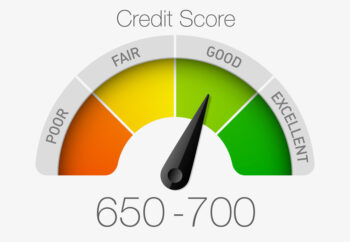
| 670–739 (Good) | Competitively priced home loans and auto loans; many lenders offer standard terms. |
| 740–799 (Very good) | Lower interest rates and better loan terms; lenders view applicants as lower risk. |
| 800–850 (Exceptional) | Top-tier rates and terms; more negotiating power on mortgage points and loan fees. |
Sample 12-month plan to boost your score

Below is a practical month-by-month plan you can adapt to your situation. Small, consistent steps compound faster than sporadic big moves.
- Pull reports, identify errors, and initiate disputes.
- Set up autopay for minimums; create reminders for any non-autopay accounts.
- Reduce revolving balances to below 30% utilization; pay before statements close.
- Enroll in rent or utility reporting if applicable and reputable.
- Request a small credit-limit increase on cards you’ve used responsibly.
- Open a secured card or credit-builder loan if you lack mix or history.
- Negotiate any small collections; validate larger balances first.
- Maintain low utilization and continue autopay; avoid new credit applications.
- Review progress, update disputes, and add a second rent/utility reporting source if possible.
- Refinance high-interest debt if credit and income permit.
- Keep building on-time payments and maintain emergency cash to avoid future misses.
- Reassess goals—home loan pre-approval, auto loan shopping, or improved insurance rates—and act.
Common myths and mistakes to avoid
Checking your own credit does not hurt your score; soft inquiries are not visible to lenders and are safe to make regularly. The myth that “carrying a small balance boosts your score” is false—paying in full and keeping utilization low is better.
Similarly, closing accounts to “simplify” can unintentionally harm your average age and utilization. Finally, avoid opening many accounts in a short period; multiple hard inquiries signal new risk to lenders.
When to get professional help
Consider a nonprofit credit counselor if you’re facing multiple debts and struggling to make payments. These agencies can structure a debt-management plan and provide financial education without the conflicts of for-profit companies. Look for accredited counselors and get everything in writing.
For legal disputes or complex identity-theft cases, an attorney who specializes in consumer law may be necessary. If you hire help, verify credentials and be wary of anyone promising instant score boosts or removal of accurate negative information for a fee.
Real-life examples that illustrate the process
A small-business owner I worked with came in with a thin credit file and several late payments from the stress of startup cash flow. By prioritizing autopay, enrolling rent payments with a reporting service, and using a credit-builder loan, they established consistent history and moved from “fair” to “good” within a year, which lowered their business loan rates.
An older borrower struggling with medical collections negotiated with collectors to get proof of the debt and then arranged payments that were reported as “paid.” Although the collections remained briefly, the stabilized payment behavior and reduced balances helped improve credit access and lowered quotes on an auto loan when they shopped the market.
Practical next steps you can take today
Start by downloading your reports and making a short checklist: correct errors, set up autopay, and pick one action to improve utilization. Even a single, sustained habit—like paying down one card below 10% utilization—can produce visible improvement in a couple of months.
Keep a simple tracker of dates, actions, and results so you can see progress. That visibility is motivating and helps you fine-tune the approach based on what actually moves your score.
How lenders look at your file beyond the raw number

Lenders often read the story behind the score: Are late payments isolated or recurring? Is utilization recent or chronic? Do you have a steady pattern of on-time payments now after past missteps? Presenting consistent, recent positive behaviors is frequently more persuasive than past problems that have been addressed.
When applying for a home loan or auto loan, prepare a short explanation of any major negative items if they’re relevant—this is common in mortgage underwriting and can prevent an otherwise good file from being declined solely for an older issue that has been resolved.
Staying resilient: setbacks and recovery

Setbacks happen—unexpected medical costs, job changes, or personal emergencies can disrupt the best plans. The key is to respond quickly: communicate with creditors, prioritize essentials, and use emergency budgets to keep crucial payments current. Recovery is a series of small, repeatable actions.
Think of credit-building as fitness: consistent small habits beat sporadic heroics. If you slip, get back to the plan immediately and focus on preventing future misses with automation and buffers.
Final practical checklist before applying for major credit

If you plan to apply for a home loan or auto loan soon, do a final pre-application checklist: confirm all major bills show current status, reduce utilization below targeted thresholds, avoid new credit inquiries for at least 90 days, and get pre-approvals to understand realistic terms. Lenders appreciate files that show recent and steady improvement.
Taking these steps gives you more negotiating power and helps ensure you qualify for the best rates your credit history can support. Start small, stay consistent, and let the positive changes compound into better offers and lower costs over time.